Uncover the Ideal Mattress: Outstanding Comfort and Support for Better Sleep
Choosing the ideal mattress is an essential step toward achieving quality sleep. Many individuals underestimate how considerably a suitable mattress can affect comfort and overall well-being. With multiple options available, comprehending the basic criteria becomes essential. The process to selecting the ideal mattress involves more than just personal preference; it requires thorough evaluation of multiple factors. What criteria should one emphasize to ensure the optimal rest and support?
Is Getting Up Fatigued Your Issue? Why Selecting the Ideal Mattress Matters?
How often do individuals wake up waking more fatigued than when they went to bed? This typical occurrence can often be traced back to the condition of one's mattress. A mattress that does not provide sufficient comfort or stability can lead to restless nights and contribute to morning exhaustion. The right mattress is essential for supporting the spine and decreasing pressure points, which directly impacts sleep quality. When people sleep on a mattress that is too firm or too soft, they may move around, preventing deep restorative sleep. Additionally, poor sleep can affect general wellness, mood, and cognitive function, forming a cycle of fatigue. Therefore, investing in a suitable mattress is not merely a matter of support; it is a critical element for achieving better sleep and enhancing daily wellness. Understanding the importance of mattress choice can be the first step towards waking up refreshed and energized.
Essential Standards for Selecting Your Best Mattress
Picking the ideal mattress is a crucial step toward improving sleep quality and overall wellness. Several key criteria should guide this selection. First, firmness levels are essential, as individual tastes for gentle or solid support vary widely. Second, the materials used plays a significant role; available choices are memory foam, latex, and innerspring, each presenting unique features. Third, dimensions count—ensuring ample space for movement and comfort is essential, especially for couples.
Additionally, think about breathability and temperature regulation, which can impact how comfortable one sleeps, especially in warmer climates. Durability is another key factor; a quality mattress should resist wear and provide consistent support over time. Finally, return and warranty terms are important, giving peace of mind in case the mattress does not meet expectations. By evaluating these criteria, people can make informed decisions that match their specific sleep needs.
Mattress Options: Positives and Negatives
When choosing a mattress, comprehending the multiple styles available is essential for optimal support and comfort. Innerspring, memory foam, and latex mattresses each provide distinct benefits and limitations that meet diverse sleeping habits. Examining these choices assists customers make informed decisions for enhanced sleep.
Innerspring Mattresses Introduction
Innerspring mattresses, famous for their traditional design, make use of a coil system to provide support and comfort. These mattresses feature superior breathability owing to their open structure, making them a popular choice among those who usually sleep hot. They come in varying firmness levels, accommodating different sleep preferences. However, the coil systems can induce motion transfer, potentially disturbing a partner's sleep. Additionally, while they might be more affordable than some other mattress types, innerspring mattresses can wear out quicker, causing sagging over time. Ultimately, they remain a solid choice for those seeking a traditional feel and adequate support, though consumers should reflect on their individual needs and preferences before making a decision.
Memory Foam Positives
Memory foam mattresses offer a unique blend of comfort and support that draws many people who sleep. Their ability to contour to the shape of the body gives excellent relief from pressure, making them particularly advantageous for those with pain in joints or unease. Additionally, memory foam has a tendency to reduce motion, which is excellent for couples, as it decreases disruptions caused by movement. These mattresses are also recognized for their durability, often retaining their shape and supportive qualities as time passes. However, some users may find them too hot due to heat buildup, and the initial odor from manufacturing can be unpleasant. Overall, memory foam mattresses provide a convincing option for individuals seeking a balance of support and comfort in their sleeping space.

Latex Mattress Perks
Latex mattresses function as a compelling alternative to memory foam, giving a different set of advantages for those in search for a supportive sleep surface. One key advantage is their natural resilience, which try this provides excellent support and pressure point relief without the sink-in feel often linked to memory foam. Additionally, latex mattresses are known for their durability, often enduring longer than traditional foam options. They also provide better temperature regulation due to their open-cell structure, enabling improved airflow and a cooler sleeping environment. Furthermore, many latex mattresses are made from eco-friendly materials, appealing to environmentally conscious consumers. Overall, those in pursuit of a blend of comfort, support, and sustainability may deem latex mattresses to be an perfect choice.
Ways to Determine the Best Mattress Tension for Yourself
How can someone identify the ideal mattress firmness for a restful night's sleep? The process starts by considering individual preferences and sleep postures. Side sleepers typically benefit from a less firm mattress, which cushions the shoulders and hips, while back and stomach sleepers often need a firmer surface for proper spinal alignment.
Following that, body weight takes an important role; lighter people may see softer beds more comfortable, while heavier individuals often prefer firmer options to prevent sinking too deeply.
Moreover, testing mattresses in-store or utilizing online sleep quizzes can furnish worthwhile insights. A grace period is indispensable, letting individuals to assess comfort over several nights.
Ultimately, discovering the ideal mattress firmness is a personal undertaking, requiring regard to relaxation, backing, and specific sleep needs. Allocating time in this selection can markedly elevate overall sleep caliber, leading to finer rest and improved well-being.
Why Mattress Size Counts for Your Comfort
Determining the appropriate mattress size is crucial for maintaining optimal ease and quality sleep. A mattress that is too small can create discomfort and restricted movement, preventing individuals from finding their best sleeping position. Conversely, a mattress that is too large may burden a smaller bedroom, proving it problematic to navigate the space effectively.
Different sleeping arrangements also play an important role in size selection. Couples often require a larger mattress, such as a queen or king, to accommodate personal space and prevent disturbances throughout the night. Additionally, individuals who move frequently during sleep may benefit from a larger mattress, allowing for greater freedom of movement.
Ultimately, the right bed dimensions improves not only ease but also the overall quality of sleep. By assessing specific preferences and space measurements, people can make informed decisions that lead to superior rest health and total health.
Superior Mattress Labels for Ease and Support
The range of mattress brands provides a diversity of options that focus on comfort and support for diverse sleeping preferences. Among the top contenders, Tempur-Pedic is notable for its adaptive memory foam technology, which offers pressure relief and spinal alignment. Saatva is recognized for its high-end innerspring mattresses, uniting durability with comfortable comfort layers, great for those seeking a balance of support and softness. Purple, with its unique hyper-elastic polymer grid, guarantees even weight distribution and breathability, catering to hot sleepers. Meanwhile, Nectar is celebrated for its affordability and excellent motion isolation, making it top choice for couples. Finally, Helix offers customizable mattresses that let consumers select their preferred firmness levels, guaranteeing personalized comfort. Each of these brands thrives in delivering quality sleep solutions tailored to various needs, making them leaders in the quest for better sleep.
Tips for Testing Mattresses Before You Buy
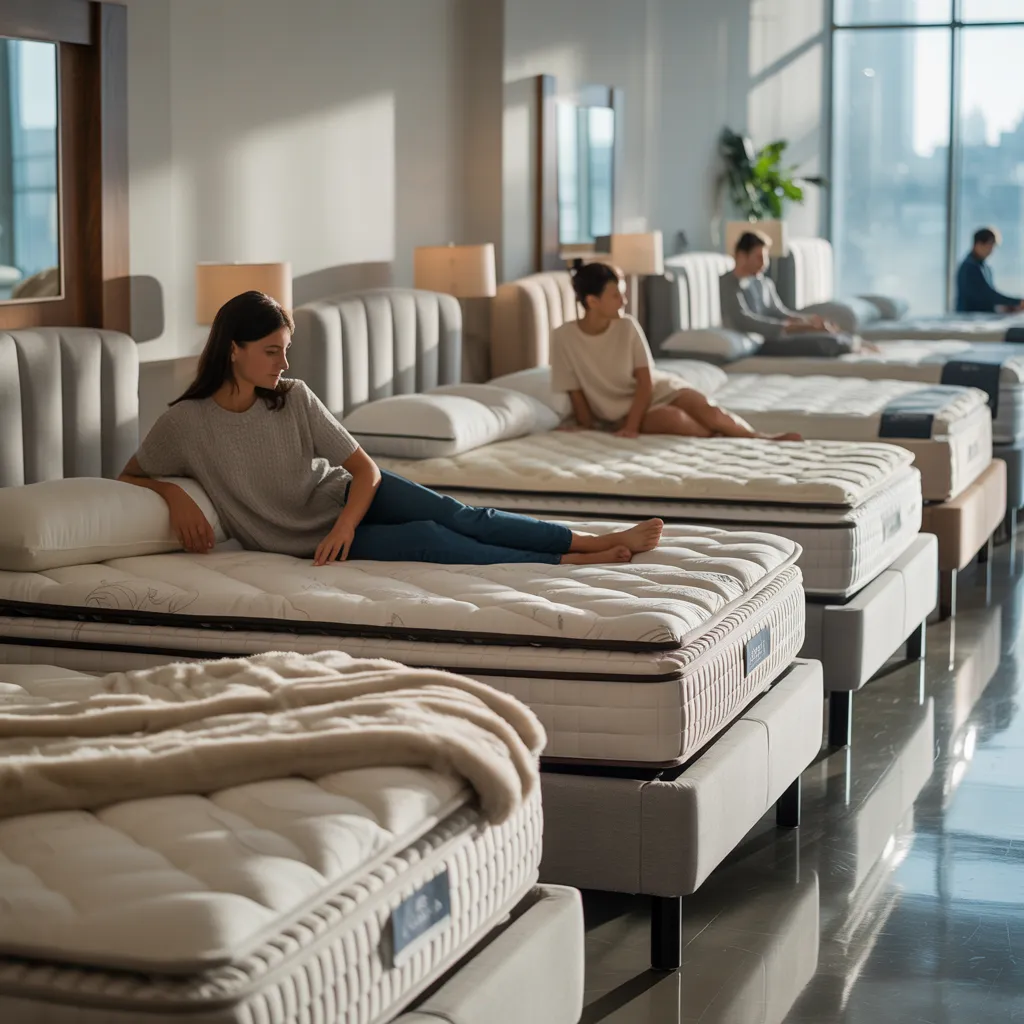
When evaluating a mattress investment, it is vital to assess personal firmness needs to ensure ideal comfort. Trying different sleep positions can reveal how well the mattress supports the body during the night. Moreover, evaluating perimeter support is essential for those who sit on the bed's edge or share the space with a partner.
Evaluate Firmness Preference
How does one determine the optimal mattress support level before making a purchase? It’s important to evaluate personal comfort. Starting with body weight is helpful; generally, lighter people may prefer softer mattresses, while heavier sleepers often need firmer options. Spending a few minutes lying on different mattresses in a store to measure comfort is advisable. One should pay attention to how the mattress supports the spine and reduces pressure points. Furthermore, individuals can consult with skilled sales associates who offer advice based on their expertise. Finally, don’t hesitate to ask about return policies, since testing a mattress at home can help clarify firmness preferences and overall suitability for restful sleep.
Evaluate Different Positions
Conducting tests with varied sleeping positions on a mattress is important for determining if it suits one’s individual needs. When assessing a mattress, users should try lying on their back, side, and stomach to evaluate comfort and support across these positions. Every position engages different areas, impacting how well the mattress molds and reduces pressure points. While lying on the back, it is important to focus on lumbar support, making sure the spine stays aligned. For side sleepers, it is crucial to test the mattress's capacity to cushion the shoulders and hips. Stomach sleepers should confirm their hips do not sink too much, which could cause misalignment. By thoroughly testing these positions, potential buyers can make well-informed decisions to suit their unique sleeping styles and preferences.
Review Edge Support
Edge support represents an important element to review when analyzing a mattress, as it influences overall structural integrity and usability. A mattress offering solid edge support permits sleepers to utilize the entire surface, allowing it convenient to get in and out of bed. To evaluate edge support, testers should sit on the edge of the mattress and monitor how it responds. If the mattress feels secure and doesn't sag considerably, it shows good edge support. Additionally, lying near the edge can help determine comfort levels and reduce feelings of rolling off. Testers should also examine how the mattress performs during various activities, such as sitting or leaning, to guarantee it meets their needs for reinforcement and durability.
Frequently Posed Inquiries
How Frequently Should I Swap Out My Mattress for Superior Quality Sleep?
Experts suggest replacing a mattress every 7 to 10 years to preserve peak sleep quality. Signs of deterioration, discomfort, or sleep disruptions indicate it's time for an replacement to guarantee restful and restorative sleep.
Does a Bed Surface Better My Sleep Position or Physical Alignment?
A appropriate mattress can significantly improve sleep posture by delivering essential support and proper alignment for the spine. Carefully crafted mattresses support healthier sleeping positions, potentially alleviating discomfort and optimizing overall sleep quality.
What Environmental Damage Results from Mattress Materials?
The ecological impacts of mattress materials consist of habitat destruction from natural latex sourcing, harmful contamination from synthetic foams, and landfill waste from non-biodegradable components. environmentally friendly alternatives exist, lowering ecological footprints while promoting healthier sleep environments.
What Is the Correct Technique to Care for and Service My Mattress?
To properly maintain and preserve a mattress, frequently rotate it, use a protective cover, vacuum it to remove dust, and avoid jumping on it. This secures lasting durability and perfect comfort for deep sleep.
Are There Any Health Advantages to Specific Mattress Types?
Certain bed varieties like memory foam and latex can alleviate pressure areas and improve spine alignment, possibly boosting sleep quality. Furthermore, hypoallergenic fabrics may minimize allergenic substances, helping people with allergies or breathing problems.